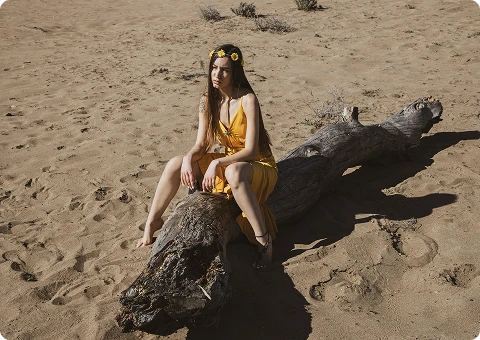

What separates a good photograph from a truly unforgettable one? Is it the sharpness of the focus, the perfect exposure, or the vibrant colors? While technical proficiency is undoubtedly important, the images that truly resonate, that linger in our minds long after we’ve seen them, possess something more profound: a story. They don’t just show us a scene; they invite us into a narrative, evoke a powerful emotion, and connect with us on a deeper, more human level.
This is the essence of visual storytelling in photography. It’s the art of transforming ordinary images into compelling narratives, turning fleeting moments into timeless tales. This guide will delve into the techniques and strategies that empower you to infuse emotion and narrative into your photography, moving beyond mere documentation to create images that speak volumes without uttering a single word. Whether you aspire to be a photojournalist, a fine art photographer, or simply want to make your personal memories more impactful, mastering the art of visual storytelling is an invaluable skill that will elevate your craft and deepen your connection with your audience.

Understanding Visual Storytelling in Photography
At its core, visual storytelling in photography is the deliberate act of using still images ‒ whether a single powerful photograph or a carefully curated series ‒ to convey a narrative, a message, or a profound emotion without the need for accompanying words. It’ s about
crafting a visual language that communicates directly to the viewer’ s heart and mind, inviting them to interpret, feel, and connect with the scene unfolding before their eyes.
Why Visual Storytelling Matters
In an increasingly visual world, the ability to tell a compelling story through your photographs is more critical than ever. Here’ s why:
- Engagement: Astory captures attention. When an image tells a story, viewers spend more time looking at it, exploring its details, and trying to understand its context. This deeper engagement makes your work more memorable.
- Connection: Stories are inherently human. By weaving narratives into your photographs, you tap into universal emotions and experiences, fostering a powerful connection between your work and your audience. Viewers don’ t just see a picture; they feel a shared experience.
- Impact: A well-told visual story can influence perceptions, raise awareness, and even inspire action. Photojournalists, for instance, use visual storytelling to shed light on critical social issues, creating empathy and driving change.
- Lasting Impression: While a technically perfect photograph might be admired, a photograph that tells a story is remembered. It leaves an indelible mark, prompting reflection and discussion long after the initial viewing.
Key Elements of a Story in Photography
Just like a written narrative, a visual story often contains several key elements, even if they are implied rather than explicitly stated:
- Character: Who is the focus of your story? It could be a person, an animal, an object, or even a landscape that takes on a character-like presence. Their presence, expression, or interaction often drives the narrative.
- Setting: Where does the story take place? The environment provides context, mood, and can even act as a character itself. A desolate landscape tells a different story than a bustling city street.
- Plot (Beginning, Middle, End): While a single photograph might capture a “decisive moment” (Henri Cartier-Bresson), implying a larger narrative, a series of photographs can explicitly unfold a plot. This involves establishing the scene, introducing a conflict or development, and concluding with a resolution or a lingering question.
- Conflict/Resolution: Not all stories need dramatic conflict, but there is often an underlying tension or challenge that the subject faces, leading to some form of resolution or ongoing state. This creates emotional depth.
- Emotion: Perhaps the most vital element. A compelling visual story evokes feelings ‒ joy, sadness, hope, despair, curiosity, wonder. The photographer’ s skill lies in
capturing and conveying these emotions to the viewer.
By consciously considering these elements, even subtly, you can transform your photographs from mere visual records into rich, evocative narratives that resonate deeply with anyone who encounters them.
Crafting Your Narrative: Pre-Visualization and Planning

While some of the most iconic storytelling photographs are born from spontaneous moments, the most impactful visual narratives often stem from careful pre-visualization and meticulous planning. This doesn’t mean every shot needs to be rigidly staged, but rather that you have a clear understanding of the story you want to tell before you even lift your camera. As a seasoned content writer and research analyst, I can attest that the best stories, whether written or visual, are those that are well-conceived.
Define Your Story: What Message or Emotion Do You Want to Convey?
The first and most crucial step in visual storytelling is to clearly define the story you intend to tell. What is the core message? What emotion do you want to evoke in your audience? Is it joy, sorrow, hope, struggle, or triumph? Having a clear objective will guide all your subsequent decisions.
Single Image vs. Photo Series: When to Use Each:
- Single Image: A single powerful image can tell a story by capturing a “decisive moment” ‒ a fleeting instant that encapsulates a larger narrative or emotion. This works best for stories that are simple, universally understood, or highly symbolic. Think of a child’s tear, a protester’s defiant gaze, or a solitary tree against a vast sky. The strength of a single image lies in its immediate impact and its ability to spark the viewer’s imagination to fill in the blanks.
- Photo Series: For more complex narratives, a series of photographs is often more effective. Aseries allows you to develop characters, show progression, introduce
conflict, and build a more intricate plot. This is particularly useful for documentary projects, personal essays, or stories that unfold over time. A series can include establishing shots, close-ups, detail shots, and images that show cause and effect.
Research and Understanding Your Subject/Theme:
Before you even pick up your camera, immerse yourself in your subject. If you’re documenting a community, learn about its history, culture, and challenges. If you’re exploring a concept like solitude, research its various interpretations and visual representations. The deeper your understanding, the more authentic and nuanced your visual narrative will be. This research can involve reading, interviewing, visiting locations, and observing.
Character Development (if applicable)
If your story involves people or even animals, consider them as characters in your visual narrative. Even if they are not explicitly named, their portrayal can significantly impact the story.
- Who are the subjects? What are their roles? Are they protagonists, antagonists, or supporting figures? What is their relationship to the story you’re telling? Understanding their role will help you decide how to photograph them.
- Using props, costumes, and expressions to reveal character: These elements are powerful visual cues. A worn-out pair of boots can tell a story of hard work. A vibrant costume can speak of cultural heritage. Afurrowed brow or a joyful smile can convey a wealth of emotion. Pay attention to these details and how they contribute to the character’s narrative.
Setting the Scene
The environment in which your story unfolds is more than just a backdrop; it’s an integral part of the narrative. The setting can establish mood, provide context, and even influence the characters.
- Location Scouting and its Importance: Don’t just show up and shoot. Scout your locations beforehand. Pay attention to the light at different times of day, potential distractions, and unique features that can enhance your story. A well-chosen location can add layers of meaning to your photographs.
- Using environment to enhance narrative: Consider how the environment interacts with your subjects. Is it a bustling city street that emphasizes anonymity, or a serene natural landscape that highlights peace? The relationship between your subject and their surroundings can tell a powerful story without words.
Techniques for Infusing Emotion and Narrative

Once you have a clear story in mind and have planned your approach, it’s time to delve into the practical techniques that will allow you to infuse emotion and narrative into your photographs. These are the tools that transform mere images into compelling visual stories.
Composition for Storytelling
Composition is the art of arranging elements within your frame to create a visually appealing and impactful image. In storytelling photography, composition goes beyond aesthetics; it guides the viewer’s eye, emphasizes key elements, and helps convey your narrative.
Rule of Thirds, Leading Lines, Framing, Depth of Field to Guide the Viewer’s Eye:
- Rule of Thirds: Placing your subject off-center can create a more dynamic and engaging composition, drawing the viewer’s eye naturally into the scene. It allows for more space around the subject, which can be used to show context or imply movement.
- Leading Lines: Use natural or artificial lines (roads, fences, rivers, architectural elements) to draw the viewer’s gaze towards your main subject or a point of interest. Leading lines create a sense of depth and direction, guiding the narrative flow within the frame.
Framing: Use elements within the scene (doorways, windows, tree branches) to frame your subject. This technique draws attention to the subject, adds depth to the image, and can create a sense of looking into a scene, enhancing the storytelling aspect. - Depth of Field (DoF): Manipulating depth of field allows you to control what is in focus and what is blurred. A shallow DoF (blurry background) isolates your subject,
emphasizing their importance and drawing attention to their expression or action. A deep DoF (everything in focus) can be used to show the subject within their environment, providing crucial context for the story.
Rule of Thirds, Leading Lines, Framing, Depth of Field to Guide the Viewer’s Eye:
Negative space (the empty areas around and between subjects) is a powerful compositional tool. It can simplify the image, draw attention to the main subject, and evoke emotions. Avast expanse of negative space around a small subject can emphasize feelings of loneliness, isolation, or insignificance, contributing significantly to the emotional narrative.
Light and Shadow as Storytelling Tools
Light is the essence of photography, and its interplay with shadow can dramatically alter the mood, atmosphere, and narrative of your images. Understanding and controlling light is fundamental to visual storytelling.
Using Natural Light (Golden Hour, Blue Hour, Harsh Light) to Set Mood:
- Golden Hour: The hour after sunrise and before sunset, characterized by soft, warm, directional light. This light is ideal for creating a sense of warmth, nostalgia, romance, or tranquility.
- Blue Hour: The period just before sunrise or after sunset, when the sky takes on adeep blue hue. This light is often used to create a cool, calm, mysterious, ormelancholic mood.
- Harsh Light: Midday sun can create strong contrasts and deep shadows. While often avoided, it can be used intentionally to create drama, tension, or a sense of stark reality.
Capturing Authentic Emotion
Emotion is the heart of any compelling story. As a photographer, your ability to capture genuine emotion is paramount to creating images that resonate deeply with viewers.
Patience and Observation for Candid Moments: The most authentic emotions often appear when subjects are unaware of the camera. Be patient, observe your surroundings, and anticipate moments. Blend into the background and wait for genuine interactions and expressions to unfold.
- Directing Subjects Subtly to Evoke Desired Emotions: While candid moments are powerful, sometimes subtle direction is necessary, especially in portraiture. Instead of asking for a specific emotion, try to create a situation that will naturally elicit it. For example, tell a joke to get a genuine smile, or ask a subject to recall a memory to evoke a thoughtful expression.
- Focusing on Eyes and Facial Expressions: The eyes are often called the windows to the soul. They convey a vast range of emotions. Ensure your subjects’ eyes are sharp and well-lit. Facial expressions, body language, and gestures also provide crucial clues to the emotional state of your subjects.
Symbolism and Metaphor
Symbolism and metaphor allow you to add layers of meaning to your photographs, inviting viewers to interpret and engage with your story on a deeper intellectual and emotional level.
- Incorporating Objects or Elements That Carry Deeper Meaning: A wilting flower can symbolize loss or fragility. A closed door might represent an obstacle or a secret. A soaring bird could signify freedom or hope. These symbols, when used thoughtfully, can enrich your narrative without needing explicit explanation.
- Subtle Hints vs. Overt Statements: Decide whether you want your symbolism to be obvious or more subtle. Overt symbols can make your message clear and direct, while subtle hints can encourage viewers to ponder and discover meaning for themselves, leading to a more personal connection with the image.
Sequence and Flow (for Photo Series)
When telling a story through a series of photographs, the order and flow of your images are critical. Just like chapters in a book, each photograph should contribute to the overall narrative and lead seamlessly to the next.
1.Establishing Shots, Close-ups, Detail Shots, Climactic Moments, Resolution:
- Establishing Shots: Begin with wide shots that set the scene and provide context. Where is the story taking place?
- Close-ups: Bring the viewer closer to the action or emotion. Focus on faces, hands, or significant objects.
- Detail Shots: Highlight small, often overlooked elements that add depth and richness to the story.
- Climactic Moments: Capture the peak of the action or emotion, the turning point in your narrative.
- Resolution: Provide a sense of closure or a lingering thought, leaving the viewer with a lasting impression.
2.Editing and Sequencing for Narrative Coherence: The way you edit and sequence your images can make or break your story. Ensure there’s a logical progression, a consistent visual style, and a rhythm that keeps the viewer engaged. Consider how each image relates to the ones before and after it, building towards a cohesive and impactful narrative.
Post-Processing for Impact

Post-processing is an integral part of modern photography, and when it comes to storytelling, it serves as a powerful final brushstroke to enhance the narrative and emotional impact of your images. It’s where you can refine your visual language and ensure that every element supports the story you’re telling.
Enhancing Mood and Emotion
Just as light and composition shape the initial capture, post-processing allows you to fine-tune the mood and emotional resonance of your photographs.
Color Grading, Contrast, and Tone to Reinforce Narrative:
- Color Grading: The intentional manipulation of colors can dramatically alter the mood of an image. Warm color palettes (reds, oranges, yellows) can evoke feelings of happiness, energy, or nostalgia. Cool palettes (blues, greens, purples) might suggest calm, sadness, mystery, or isolation. Consistent color grading acrossa series of images can also help unify a narrative.
- Contrast: Adjusting contrast can add drama or softness. High contrast can create a sense of tension, power, or stark reality, while lower contrast can convey a dreamier,more subdued, or melancholic mood.
- Tone: The overall brightness and darkness of an image (its tonal range) also play a crucial role. Darker tones can create a sense of mystery, solemnity, or weight, while brighter tones can convey lightness, hope, or joy.
Cropping and Framing in Post
Even after careful in-camera composition, post-processing offers another opportunity to refine your framing and strengthen your story.
- Refining Composition to Strengthen the Story: Cropping allows you to eliminate distracting elements and guide the viewer’ s eye more precisely to your main subject or the most important part of the narrative. It can also be used to change the aspect ratio, creating a different feel or emphasis.
- Removing Distractions: Unwanted elements in the background or foreground can detract from your story. Post-processing tools allow you to subtly remove or minimize these distractions, ensuring that every pixel contributes to the narrative you are trying to convey.
Remember, post-processing should always serve the story. It’ s not about making an image look “good” in a generic sense, but about making it look “right” for the specific narrative you are crafting. It’ s the final stage where your vision truly comes to life.
Case Studies/Examples: Master Storytellers in Photography
To truly grasp the power of visual storytelling, it’s invaluable to look at the work of photographers who have mastered this art form. Their iconic images and series serve as powerful examples of how emotion and narrative can be captured and conveyed without words.
Photojournalism: Steve McCurry’s ‘Afghan Girl’
 Perhaps one of the most famous examples of a single image telling a profound story is Steve McCurry’s ‘Afghan Girl’ (Sharbat Gula), photographed in 1984. This portrait, with its piercing green eyes, tells a story of resilience, fear, and the harsh realities of war and displacement.
The intensity of her gaze, the tattered red scarf, and the raw emotion captured in her face speak volumes about her experience and the broader human cost of conflict. It’s a single frame that encapsulates a complex narrative of survival and dignity amidst adversity, making it an enduring symbol of the Afghan conflict.
Documentary Photography: Dorothea Lange’s ‘Migrant Mother’
 Dorothea Lange’s ‘Migrant Mother’ (Florence Owens Thompson), taken in 1936 duringthe Great Depression, is another powerful example of visual storytelling. This photograph, part of a series documenting the plight of migrant farmworkers, captures a mother with her children huddled around her, their faces etched with worry and despair. The image tells a story of poverty, hardship, and the struggle for survival during a devastating economic period. Lange’s ability to convey the universal themes of motherhood, resilience, and human suffering through this single, poignant image made it an enduring symbol of the era.
Fine Art Photography: Cindy Sherman’s ‘Untitled Film Stills’
Cindy Sherman’s ‘Untitled Film Stills’ (1977-1980) is a series of 69 black-and-white photographs in which Sherman poses as various female archetypes from B-movies and foreign films. While not telling a linear narrative, each still implies a story, a moment within a larger, unseen plot. Sherman uses costume, makeup, setting, and expression to create ambiguous yet evocative narratives that explore themes of identity, representation, and the construction of female roles in media. This series demonstrates how a photographer can
an emotional and intellectual level.
use a sequence of images to build a complex, open-ended narrative that invites the viewer to participate in the storytelling process.
 These examples, spanning different genres and approaches, underscore a fundamental truth: the most impactful photographs are those that transcend mere depiction and delve into the realm of storytelling, connecting with viewers on
Conclusion: Your Story, Your Vision
The journey into the art of storytelling through photography is a continuous and rewarding one. It is a skill that develops with practice, keen observation, and a deep understanding of both your subjects and your own artistic intentions. Moving beyond simply capturing moments, you begin to craft narratives that resonate, evoke emotion, and leave a lasting impression on your audience.
Remember, every photograph you take has the potential to tell a story. It might be a grand narrative of human struggle, a subtle tale of everyday beauty, or a deeply personal reflection of your inner world. The power lies in your ability to see these stories, to frame them with intention, and to infuse them with emotion.
Embrace the challenge of telling compelling stories with your camera. Experiment with composition, harness the magic of light, strive to capture authentic emotions, and thoughtfully consider how each element contributes to your narrative. Your unique perspective is your most powerful tool, and the stories you choose to tell are a reflection of your vision.
So, go forth and capture the world, not just as it appears, but as it feels, as it lives, and as it tells its countless stories. Your lens is your voice; let it speak volumes. Start seeing the stories around you, and capture them with your lens, transforming fleeting moments into timeless narratives that will inspire, move, and connect.