

In a world saturated with billions of images uploaded daily, how do you make yours stand out? How do you ensure that your photographs don’t just add to the noise, but instead, capture attention, evoke emotion, and leave a lasting impression? The answer lies not merely in technical prowess or the latest gear, but in something far more profound: your unique photographic voice. Developing this voice is a transformative journey of self-discovery that elevates your photography from mere snapshots to meaningful art. It’s about infusing your personality, perspective, and passion into every frame, creating work that is unmistakably yours.
This comprehensive guide will walk you through practical strategies and insightful exercises designed to help you uncover, cultivate, and refine your distinctive photography style.
Whether you’re a budding enthusiast or a seasoned professional, understanding and articulating your unique voice is paramount to building a compelling portfolio, connecting with your audience on a deeper level, and ultimately, finding profound satisfaction in your creative pursuits. Join us as we explore the path to making your photographic vision truly sing.

What is a Photographic Voice?
Before we delve into how to find your photographic voice, let’s first define what it truly means. Aphotographic voice is farmore than just your technical skill with a camera or your preferred set of editing presets. It is the culmination of your unique perspective, your deepest emotions, and your underlying intentions, all eloquently reflected in the images you create. It’s the invisible thread that connects all your work, making it cohesive and recognizable, even without a signature.
Think of it this way: two photographers can stand in the exact same spot, at the exact same time, with the exact same equipment, and yet produce vastly different photographs. Why? Because their individual voices guide their choices ‒ what they choose to focus on, how they frame the shot, the moment they decide to press the shutter, and howthey process the final image. This voice is deeply personal; it’s your artistic fingerprint.
Why Your Photographic Voice Matters
Developing a strong photographic voice is crucial for several reasons:
- Differentiation: In today’s crowded visual landscape, a unique voice helps you stand out from the multitude of photographers. It’s what makes your work memorable and distinct, attracting an audience that resonates specifically with your vision.
- Authenticity: Your voice allows you to express yourselfgenuinely through your art. When your photographs are a true reflection ofwho you are and what you care about, they carry a powerful authenticity that connects deeply with viewers.
- Deeper Connection: Aconsistent and authentic voice fosters a stronger connection with your audience and your subjects. Viewers begin to understand your perspective, anticipate your style, and feel the emotions you intend to convey. For subjects, it means they trust you to capture their essence in a way that aligns with your artistic integrity.
Consider the masters of photography, whose work is instantly recognizable. Ansel Adams, for instance, is synonymous with majestic, high-contrast black and white landscapes of the American West. His voice speaks of grandeur, timelessness, and the raw beauty of nature.
Annie Leibovitz, on the other hand, is known for her highly stylized, often dramatic, and deeply personal portraits of celebrities. Her voice is about revealing the essence of her subjects, often with a touch of theatricality. Henri Cartier-Bresson’s “decisive moment” captures candid, perfectly timed street scenes, reflecting a voice of observation, spontaneity, and human connection. These photographers didn’t just take pictures; they communicated through a distinct visual language, their photographic voice.
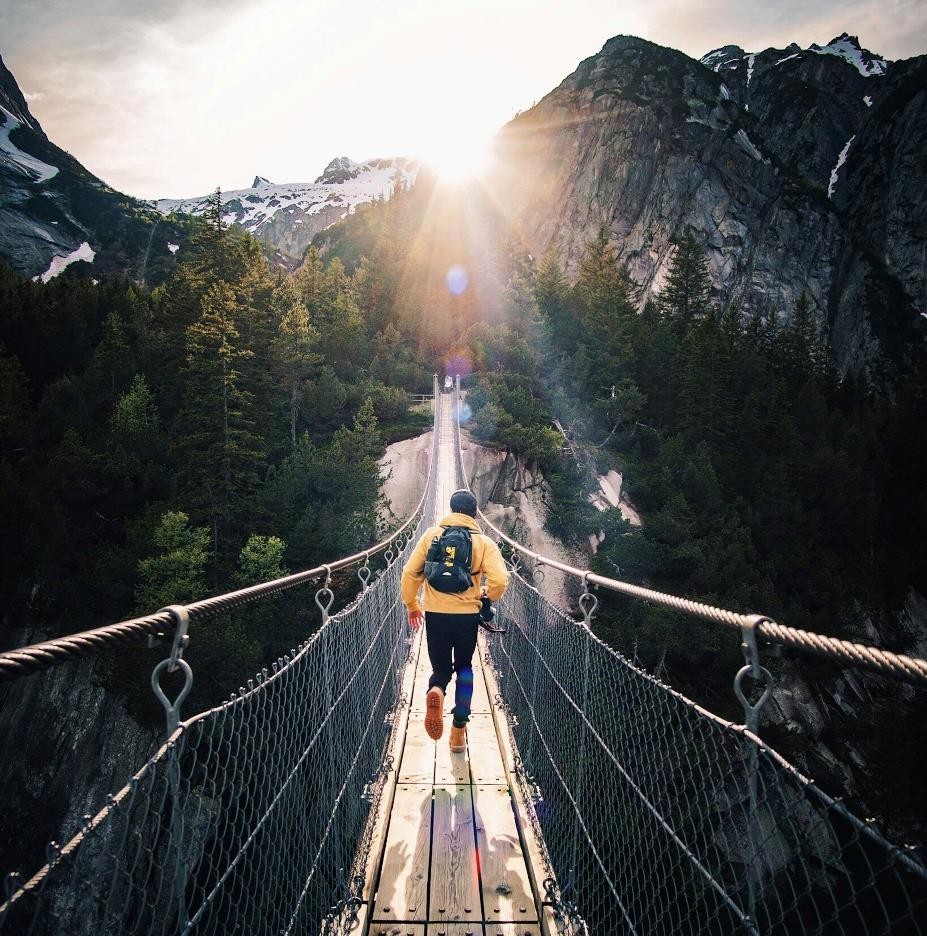
The Journey of Self-Discovery: Uncovering Your Voice
Finding your photographic voice is not about adopting someone else’s style; it’s about unearthing your own. This journey is deeply personal and requires introspection, analysis, and a thoughtful approach to inspiration. It’s a process of peelingback layers to reveal the authentic artist within.
Look Inward: Reflect on Your Passions, Interests, and Life Experiences
Your photographic voice is inextricably linked to who you are as a person. Your life experiences, your passions, your beliefs, and even your quirks all contribute to how you see the world and, consequently, how you photograph it. To begin this journey, ask yourself:
- What truly moves you? What subjects, emotions, or stories ignite a spark within you? Is it the quiet beauty of nature, the bustling energy of city life, the raw emotion of human connection, or the intricate details of everyday objects? Your deepest interests will naturally guide your lens.
- What stories do you want to tell? Every photograph tells a story, whether explicit or implicit. What narratives are you compelled to share? Do you want to document social issues, celebrate cultural traditions, explore personal narratives, or simply capture moments of joy and beauty? Identifying your storytelling impulse is a powerful step towards defining your voice.
- What are your core values and beliefs? Your worldview shapes your perspective. Do you value authenticity, beauty, truth, justice, or connection? How do these values manifest in your daily life, and howcan they be translated into your visual language? For example, a photographer deeply committed to environmental conservation might find their voice in capturing the fragility and majesty of the natural world.
Analyze Your Existing Work: Find Patterns and Recurring Themes
Often, your unique voice is already present in your work, waiting to be discovered. Take time to review your past photographs, even those you might dismiss as mere snapshots.
Look at them with a critical yet open mind, searching for patterns and recurringthemes:
- What subjects do you gravitate towards? Do you consistently photograph people, landscapes, architecture, still life, or abstract forms? The subjects you are drawn to reveal your inherent interests.
- What compositional elements do you consistently use? Do you prefer wide-angle shots or tight crops? Do you favor leading lines, symmetry, negative space, or the rule of thirds? Your compositional preferences are a key component of your visual signature.
- What emotions do your favorite photos evoke? Look at the images that resonate most with you, both those you’ve created and those by others. What feelings do they stir? Do they evoke peace, excitement, melancholy, or wonder? Understanding the emotional impact of your work helps you intentionally cultivate that feeling in future photographs.
Seek Inspiration (Wisely): Learn from Masters, But Don’t Imitate
Inspiration is vital for any artist, but it’s crucial to seek it wisely. The goal is not to copy the styles of others, but to learn from them and allowtheir work to inform and expand your own vision. Think of it as building a rich visual vocabulary from which you can drawto construct your unique sentences.
- Study diverse genres and photographers: Don’t limit yourself to just one genre or a handful of famous names. Explore different eras, cultures, and photographic movements. Look at photojournalism, fine art, fashion, documentary, street, and commercial photography. The broader your visual diet, the richer your internal library of ideas will become.
- Identify why certain images resonate with you, not just whatthey are: When you encounter a photograph that captivates you, don’t just admire it. Deconstruct it. Ask yourself: What is it about this image that I love? Is it the lighting, the composition, the color palette, the subject’s expression, or the story it tells? Understanding the
underlying elements that appeal to you will help you consciously incorporate similar principles into your own work.
- Create mood boards (digital or physical) of inspiring images: A mood board is a powerful tool for visual exploration. Collect images, colors, textures, and even words that inspire you. Don’t worry about coherence at first; just gather what resonates. Over time, you’ll start to see themes emerge, revealing your aesthetic preferences and
guiding your creative direction.

Practical Exercises to Develop Your Style
Finding your photographic voice isn’t just about introspection; it’s also about active creation and experimentation. The more you shoot, the more you learn about your preferences, strengths, and what truly excites you. Here are some practical exercises to help you develop and refine your unique style:
Shoot Consistently and Intentionally
Regular practice is paramount. It’s through consistent shooting that you build muscle memory, hone your eye, and discover new possibilities. But don’t just shoot aimlessly; shoot with intention.
- Daily Photo Challenges with Specific Themes: Give yourself a theme for the day, week, or month (e.g.,
- “Lines and Curves,” “Shadows and Light,” “Everyday Objects”). This forces you to see your environment in newways and apply specific photographic concepts.
- Focus on a Single Subject or Location Over Time: Dedicate a period to photographing just one subject (e.g., a specific tree, your pet, a particular street corner) or one location. Observe how it changes with different lighting, seasons, or your mood. This deep dive can reveal subtle nuances and help you develop a more intimate connection with your subject.
- Daily Photo Challenges with Specific Themes: Give yourself a theme for the day, week, or month (e.g.,
Experiment with Techniques and Genres
Don’t be afraid to step outside your comfort zone. Trying newtechniques and exploring different genres can broaden your horizons and introduce you to elements you might want to incorporate into your unique style.
- Try Different Lighting Conditions (Natural, Artificial): Experiment with shooting in harsh midday sun, soft golden hour light, dramatic backlighting, or controlled studio lighting. Understand how different light sources shape your subject and evoke different moods.
- Explore Various Camera Settings (Manual Mode, Long Exposure, Shallow DoF): If you usually shoot in auto, switch to manual mode and consciously control aperture, shutter speed, and ISO. Experiment with long exposures to capture motion blur or light trails. Play with shallowdepth of field to isolate subjects, or deep depth of field to keep everything in focus.
- Step Outside Your Comfort Zone: If you primarily shoot landscapes, try street photography to develop your observational skills and ability to capture candid moments. If you’re a portrait photographer, try macro photography to explore intricate details. Each new genre teaches you valuable lessons that can inform your primary area of interest.
Embrace Post-Processing as an Extension of Your Voice
Post-processing is not just about fixing mistakes; it’s a powerful tool for shaping your artistic vision and reinforcing your unique voice. Your editing style is as much a part of your photographic voice as your shooting style.
- Develop Consistent Editing Presets or Workflows: Once you find a look you love, try to replicate it across your images. This consistency helps build a recognizable style. Create your own presets or actions that reflect your aesthetic preferences.
- Understand How Color, Contrast, and Tone Influence Mood: Experiment with color grading, black and white conversions, and adjusting contrast and tones. Learn how these elements can evoke specific emotions ‒ warm tones for joy, cool tones for melancholy, high contrast for drama, soft tones for serenity.
Engage in Photo Critiques and Seek Feedback
While your voice is personal, external feedback can be invaluable for growth. A fresh pair of eyes can spot patterns or suggest improvements you might overlook.
- Join Photography Communities or Groups: Online forums, local clubs, or social media groups dedicated to photography can provide a supportive environment for sharing your work and receiving constructive criticism.
- Be Open to Constructive Criticism: Not all feedback will be positive, and that’s okay. Learn to differentiate between subjective opinions and actionable advice. Focus on understanding why someone reacted to your image in a certain way, and consider how you might refine your approach.

Overcoming Obstacles on Your Path
The journey to finding your unique photographic voice is rarely a straight line. It’s often filled with detours, doubts, and moments of frustration. Recognizing and addressing these
common obstacles is crucial for staying motivated and continuing your creative growth.
The Comparison Trap
In the age of social media, it’s incredibly easy to fall into the comparison trap. You scroll through endless feeds of stunning images, and suddenly, your own work feels inadequate. This constant comparison can stifle creativity and lead to self-doubt.
- Solution: Remind yourself that everyone is on their own unique journey. What you see online is often a curated highlight reel, not the full story of struggle and growth. Focus on your progress, not on others’ perceived perfection. Celebrate your small victories and acknowledge howfar you’ve come. Unfollowaccounts that make you feel inadequate and seek out those that genuinely inspire and uplift you.
Creative Blocks
Even the most prolific artists experience creative blocks ‒ periods where inspiration seems to vanish, and the desire to create wanes. This can be particularly frustrating when you’re actively trying to develop your voice.
- Solution: Don’t force it. Sometimes, the best thing you can do is step away from your camera. Engage in other creative activities, read a book, visit a museum, listen to music, or simply take a walk in nature. These activities can replenish your creative well. You can also try specific exercises like shooting only with your phone, or limiting yourselfto one lens or one color palette for a day. Often, constraints can spark new ideas.
Imposter Syndrome
Imposter syndrome is the persistent feeling that you’re a fraud, that your achievements are undeserved, and that you’ll eventually be exposed as incompetent, despite evidence of your abilities. This can manifest as a fear that your unique voice isn’t good enough or that you’re not a
real photographer.
- Solution: Acknowledge that imposter syndrome is a common experience, even among highly successful individuals. Focus on your unique perspective and the value you bring. Your voice is valid precisely because it is yours. Keep learning, keep practicing, and trust that your unique vision will resonate with the right audience. Remember, every master was once a beginner, and every artist experiences self-doubt. The key is to keep creating despite it.
Conclusion: Your Voice, Your Legacy
Finding your unique photographic voice is not a destination but a continuous journey. It is an evolving reflection of who you are, howyou see the world, and what you choose to communicate through your art. This journey is deeply personal, sometimes challenging, but ultimately immensely rewarding. It transforms your photography from a technical skill into a powerful means of self-expression and connection.
Embrace the process of self-discovery, experiment fearlessly, and learn from every click of the shutter. Your unique voice is your most valuable asset as a photographer ‒ it is what will set you apart, attract your ideal audience, and allowyou to create a body of work that is authentic, meaningful, and truly your own. The world is waiting to see through your eyes.
So, what are you waiting for? Grab your camera, look inward, explore outward, and start expressing your unique vision today. The journey of finding your photographic voice is one of the most exciting adventures you’ll ever embark on. Share your journey, inspire others, and leave your indelible mark on the world, one photograph at a time.

