

In today’s world, how a space looks can really change how people feel about it. Whether you’re a real estate agent showing off a fancy home, an interior designer putting together your portfolio, or a hotel owner trying to attract guests, great interior photography is your best friend. It’s not just about taking a picture; it’s about telling a story, showing off elegance, and making every corner feel sophisticated. We’re not talking about smoke and mirrors here; it’s about understanding the subtle art and science that turns everyday photos into captivating visual stories, instantly making a space feel high-end.
The Foundation: Light, Composition, and Perspective
At the heart of all amazing space photography is a solid grasp of the basics. Forget about expensive cameras for a moment; the real magic starts with how you see and understand a room.

Harnessing the Power of Light
Light is like a painter’s brush in interior photography. Natural light, when used well, can make a space feel inviting and open. Think about the time of day – that soft, golden light streaming through a window can add a warmth and depth that artificial light often can’t match. But, relying only on natural light isn’t always practical, especially in commercial settings or when dealing with tricky architectural features. That’s were knowing about artificial lighting comes
in handy. Professional photographers often use a technique called light painting or blending. This involves taking several photos with different lighting setups and then combining them later to get a perfectly lit scene. This careful approach makes sure every detail is bright without harsh shadows or overexposed areas, which is a clear sign of luxury interior photography.
The Art of Composition and Perspective
Composition is all about how you arrange things within your shot. For architectural photography, this means really paying attention to lines, symmetry, and guiding the viewer’s eye through the space. A wide-angle lens is often key to capturing the grandeur of a room, but you have to use it wisely to avoid distortion. The goal is to make the space feel big, yet cozy.
Think about your perspective. Shooting from a lower angle can make ceilings seem taller and rooms feel more impressive, while a straight-on shot can highlight symmetry and balance. For real estate photos, a consistent eye-level view often works best, making viewers feel like they’re walking through the home themselves. Try to avoid shooting into corners, as this can make a room feel cramped. Instead, aim for shots that open up the space, showing off its flow and main features. This kind of attention to detail is super important for creating compelling property photos.
Beyond the Basics: Styling and Storytelling
Once you’ve got light and composition down, the next step is to really elevate your images through smart styling and storytelling. This is where a space’s true personality comes out.
The Power of Staging and Decluttering
Before you even pick up your camera, the space itself needs to be ready. Decluttering is absolutely essential. Get rid of personal items, too much decor, and anything that takes away from the room’s natural beauty. For interior design photography, every single object should have a purpose and add to the overall look. Think about staging – adding fresh flowers, a stack of art books, or a neatly draped throw can bring warmth and a sense of lived-in luxury without making the scene feel busy. These small touches make a huge difference in how premium a space feels.

Creating a Narrative: Home Photography Ideas
Every space has a story, and your photos should tell it. Instead of just documenting rooms, think about how people would actually use them. A comfy reading nook with a warm blanket and a cup of coffee suggests comfort and relaxation. A beautifully set dining table invites people to gather. These home photography ideas help potential buyers or guests imagine themselves in the space, building an emotional connection. For hospitality photography, this means showing not just the room, but the whole experience – a plush bed, an amazing view, or a well-appointed bathroom all contribute to the overall appeal.
Technical Mastery: Gear and Post-Processing
While having an artistic eye is crucial, the right tools and post-processing techniques can really perfect your images.
Essential Gear for Premium Shots
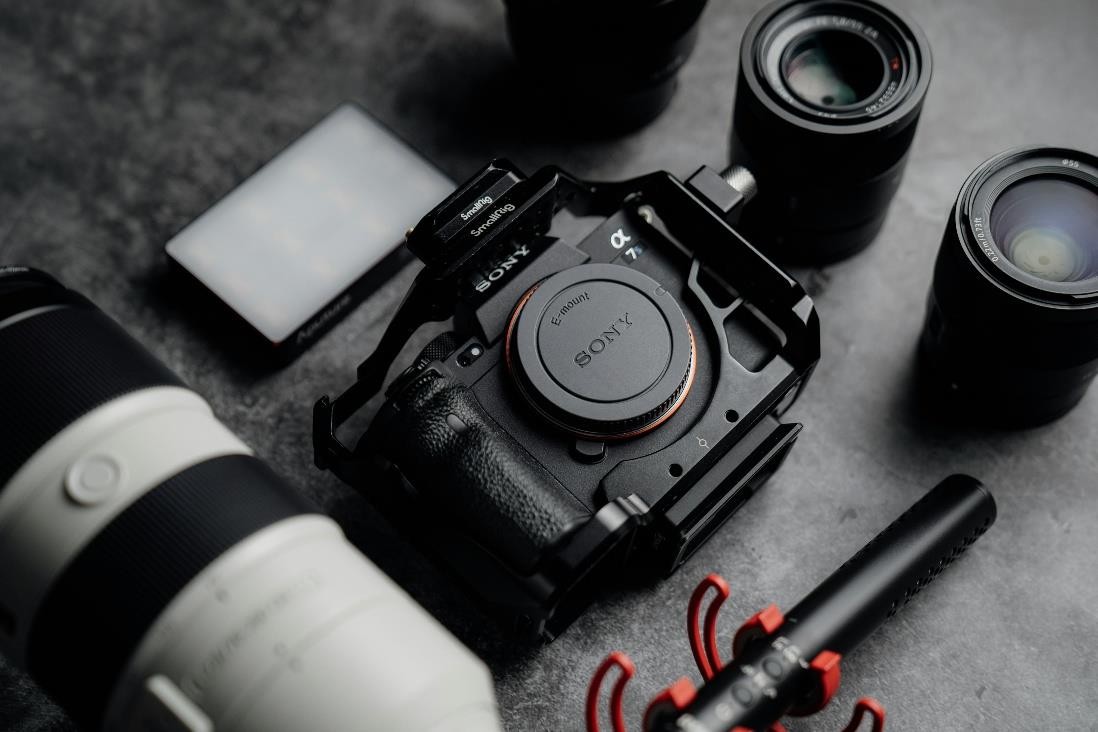
Even though a good eye is most important, certain equipment can definitely make your interior photography better. A sturdy tripod is a must-have for sharp photos, especially when you’re using longer exposures to capture ambient light. A wide-angle lens (usually 16-35mm on a full-frame camera) is essential for getting the whole room in, but be careful about distortion. A tilt-shift lens, though more advanced, can fix perspective issues, making vertical lines perfectly straight – a subtle but powerful detail in architectural photography that screams professionalism. Off-camera flashes or strobes, along with diffusers, give you
precise control over lighting, letting you sculpt light and shadow exactly how you want.
The Magic of Post-Processing
Post-processing is where you add the final touches. This isn’t about making a space look fake, but about enhancing what’s already there and fixing any small flaws. Key steps include:
- Exposure Blending: Combining multiple exposures (taken at different brightness levels) to create one image with a perfectly balanced dynamic range. This helps avoid super dark shadows or blown-out highlights, which is especially important for scenes with bright windows and darker interiors.
- Color Correction: Making sure colors are accurate and vibrant, truly reflecting the interior’s palette. White balance is super important to prevent weird color casts.
- Lens Correction: Fixing any barrel or pincushion distortion from wide-angle lenses, and straightening converging verticals to keep the architecture looking right.
- Retouching: Gently removing distracting elements like dust, tiny imperfections, or messy cables. The goal is to improve, not to invent.
- Sharpening: Applying a subtle amount of sharpening to bring out details and textures, making the image crisp and professional.
These techniques, when used skillfully, turn good photos into amazing ones, really solidifying that premium feel of the space.
The Human Element: Connection and Emotion
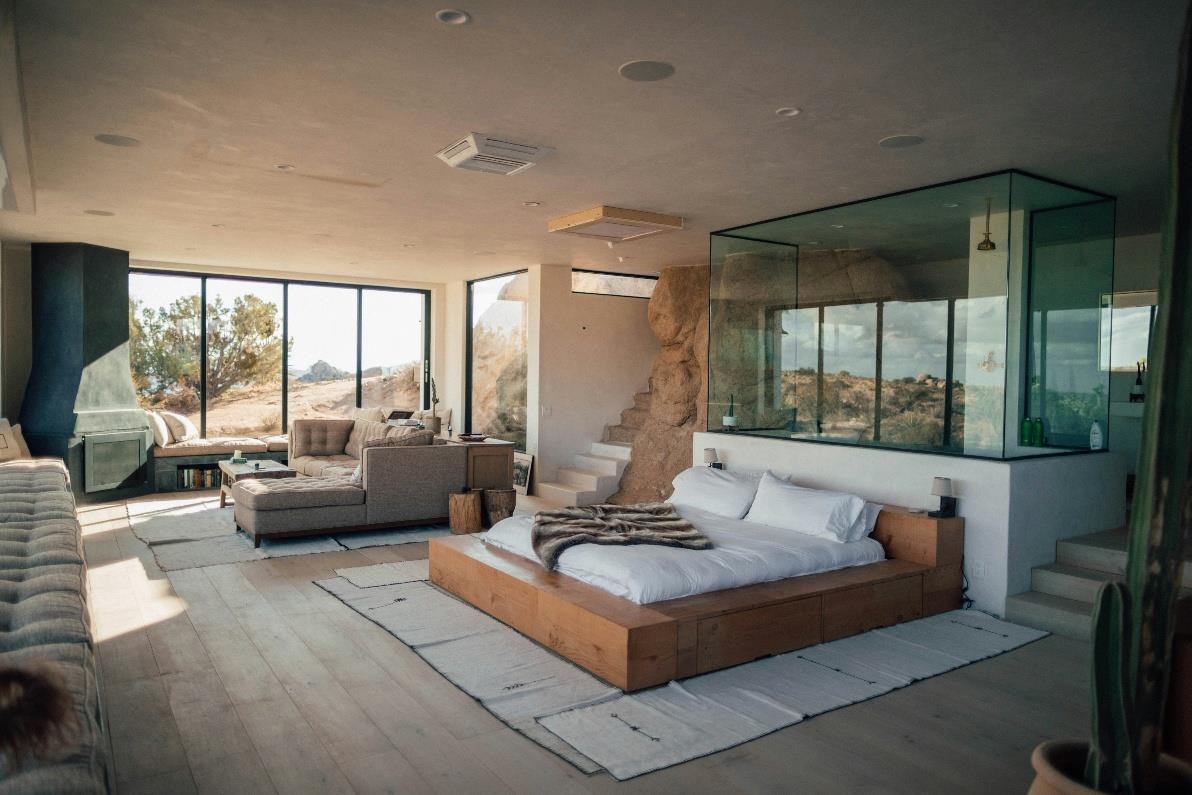
Ultimately, great interior photography connects with people on an emotional level. It’s more than just showing four walls and a ceiling; it’s about creating a feeling, a desire, a sense of belonging. Whether it’s the warmth of a fireplace, the peacefulness of a bedroom, or the lively energy of a living area, your photos should tell a story that resonates. This is the secret ingredient that elevates simple documentation to art, making spaces not just look premium, but feel premium.
By mastering these secrets – from understanding light and composition to thoughtful styling and careful post-processing – you can take your interior photography from good to truly outstanding. These principles apply across the board, whether you’re focusing on real estate photography, luxury interior photography, hospitality photography, or just trying to capture the essence of beautiful design. Embrace these techniques, and watch as your images instantly make spaces look premium, captivating your audience and leaving a lasting impression.


